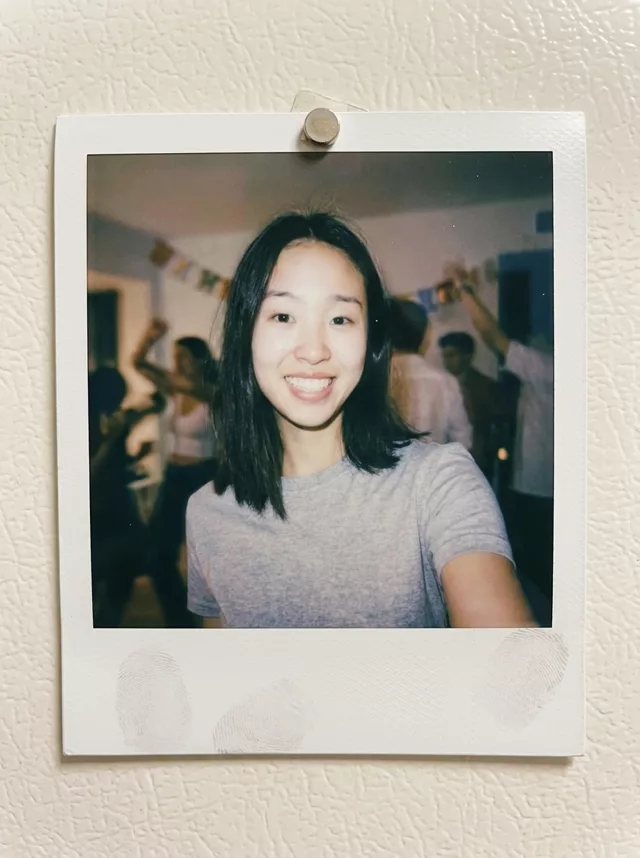
 Polaroid
 AI-generated example
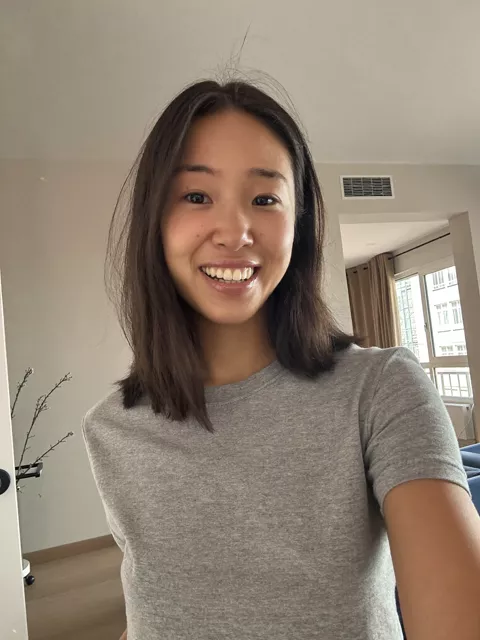
Step 1 · Photo → Aesthetic
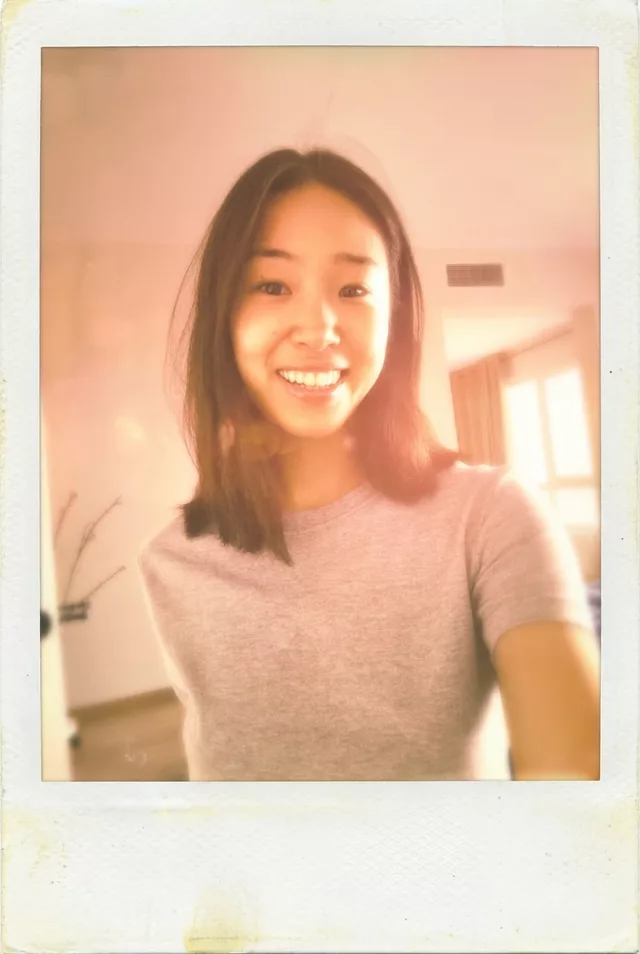
Classic Polaroid Selfie
The viral instant-photo look: white frame, harsh flash, faded colors — like a real Polaroid pulled from a family album.
Transform this photo into a classic Polaroid instant photo. Keep my exact facial features, do not change my face. Add the iconic white Polaroid frame with a thicker bottom border, direct on-camera flash lighting, slightly washed-out colors, soft film grain, and a subtle motion blur in the background. The photo should look like it was taken at a house party in the 1990s and pinned to a fridge.
What to watch for
The scene clauses render literally — our test of 'pinned to a fridge' came back with a magnet, fridge texture and fingerprint smudges in the shot, which is charming if you expected it and odd if you didn't. Drop that phrase for a plain print. Two other things to check: the border should be thin on three sides and thick at the bottom, and if the result looks too clean, add 'slightly crooked framing, mild light leak' one at a time.
How to use it
Only edit photos you have permission to use, including permission from the people pictured.
- Choose a sharp source with the faces large enough to compare after the edit.
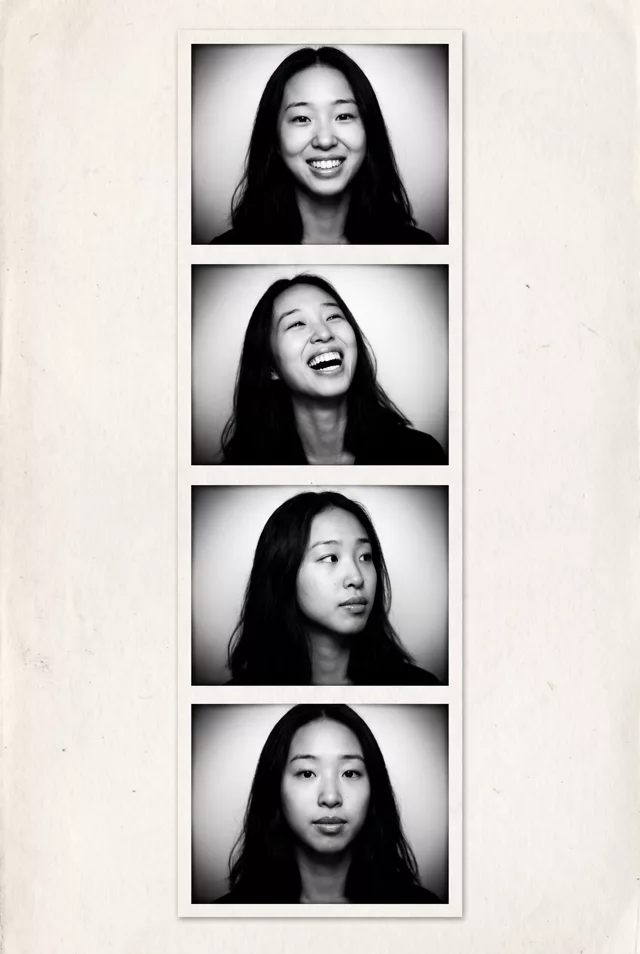
- Attach the source in an AI image editor compatible with this prompt (Gemini · ChatGPT (any AI image editor)), then paste the prompt. Decide whether you want a single print, a strip, or a wall display; keep only the scene details you want around the photo.
- Inspect the white borders and every visible face. If fading hides facial detail, reduce the fading or grain before generating again.
- Save the accepted image separately from the original and label it as AI-edited when sharing. Use the saved edit as the source if you choose to animate it next.
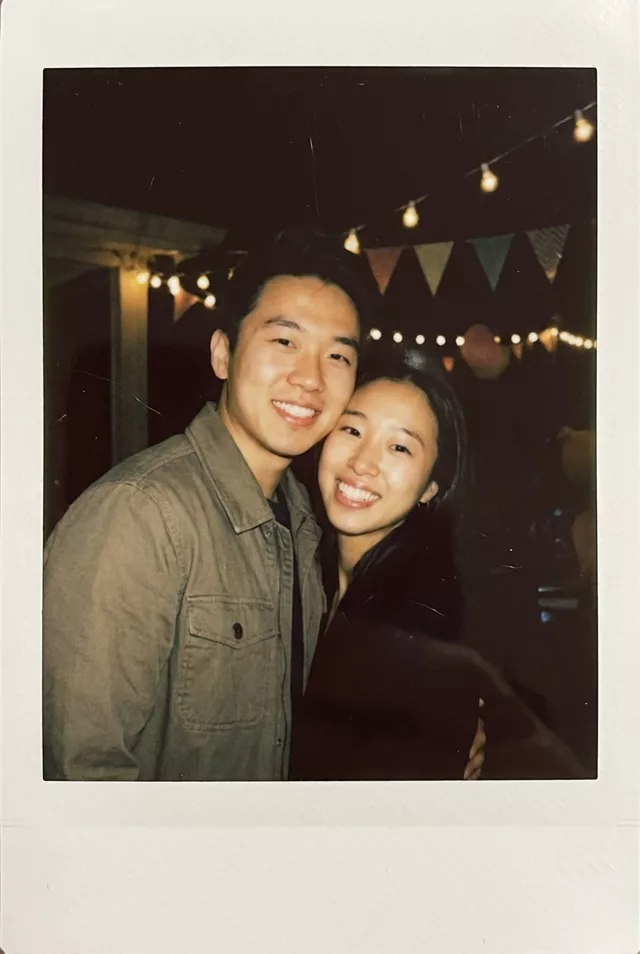 Polaroid
 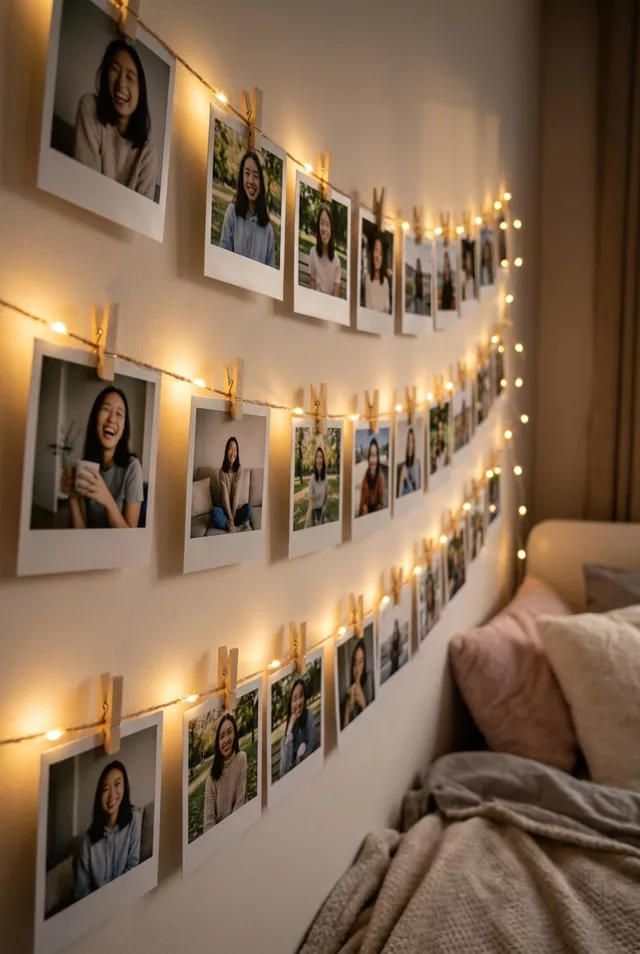 Polaroid
  Polaroid
  Polaroid