 Polaroid
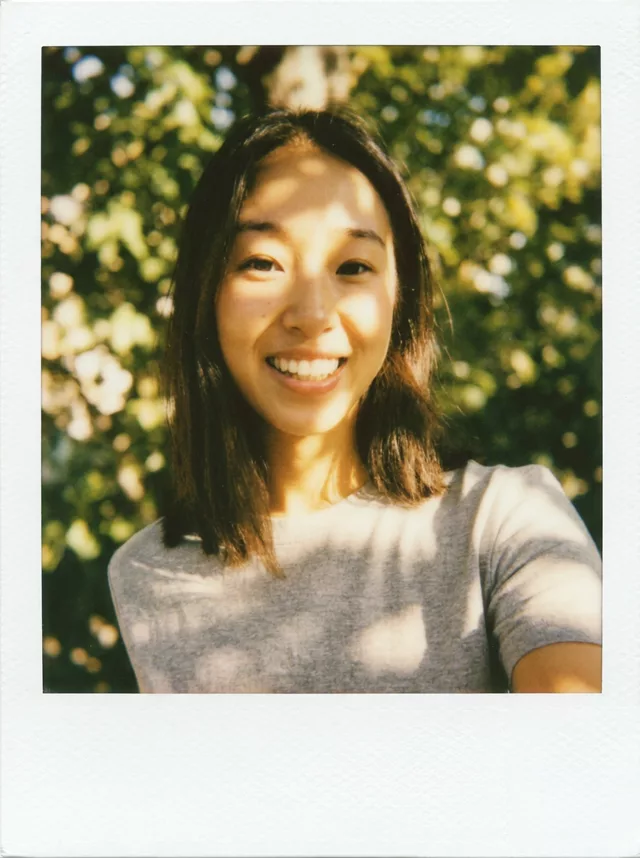
 AI-generated example
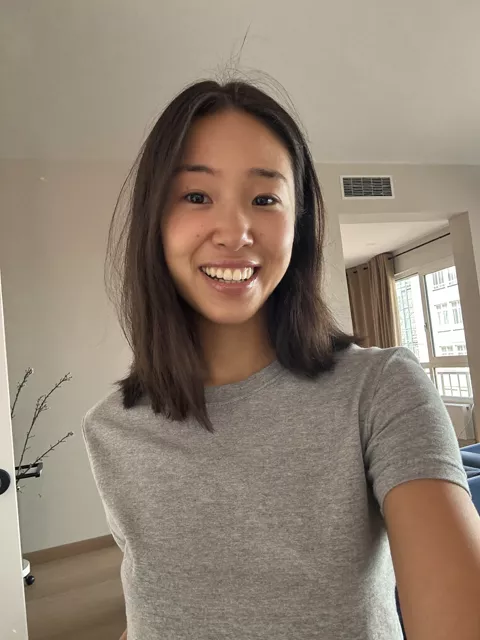
Step 1 · Photo → Aesthetic
Summer Kodak Polaroid
The dappled-sunlight summer film look in a Polaroid frame — field-tested, works on portraits and everyday snapshots alike.
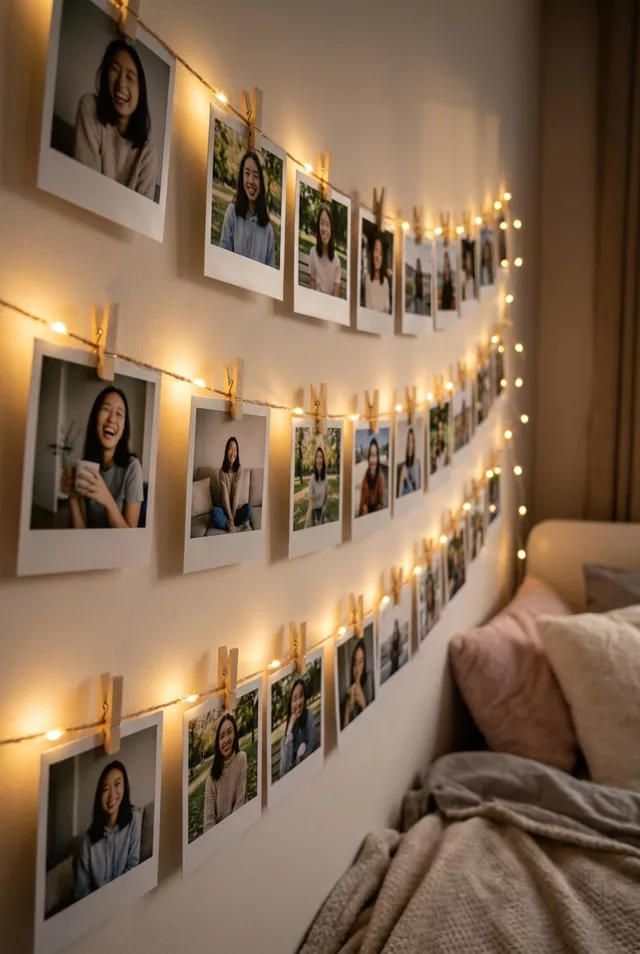
Transform this photo of me into a vintage Polaroid with a warm summer Kodak film aesthetic. Classic white Polaroid frame with a slightly wider bottom border. Dappled sunlight filtering through leaves casts soft light patterns across the scene. Background of sunlit green foliage with dreamy bokeh. Warm Kodak film colors — golden highlights, soft greens, gentle film grain, slightly faded like a photo kept in a summer album. Keep my exact facial features, do not change my face in any way.
What to watch for
Dappled light is the whole look and also the problem: the bright patches like to land across the eyes, where they read as a skin blotch. 'Keep the face evenly lit, dappled light on the shoulders and background only' sorts it out. If you get a sharp modern photo with nice bokeh, the film half was skipped — lean on 'faded', 'grain' and 'film'. It works on objects too; we tested it on a pastry. Drop the face line for those.
How to use it
Only edit photos you have permission to use, including permission from the people pictured.
- Choose a sharp source with the faces large enough to compare after the edit.
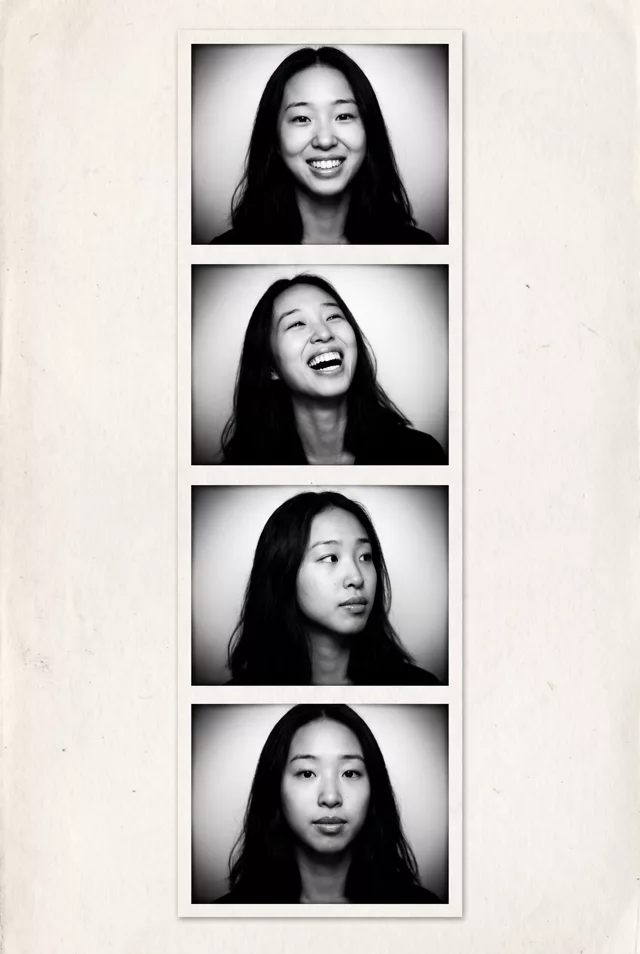
- Attach the source in an AI image editor compatible with this prompt (Gemini · ChatGPT (any AI image editor)), then paste the prompt. Decide whether you want a single print, a strip, or a wall display; keep only the scene details you want around the photo.
- Inspect the white borders and every visible face. If fading hides facial detail, reduce the fading or grain before generating again.
- Save the accepted image separately from the original and label it as AI-edited when sharing. Use the saved edit as the source if you choose to animate it next.
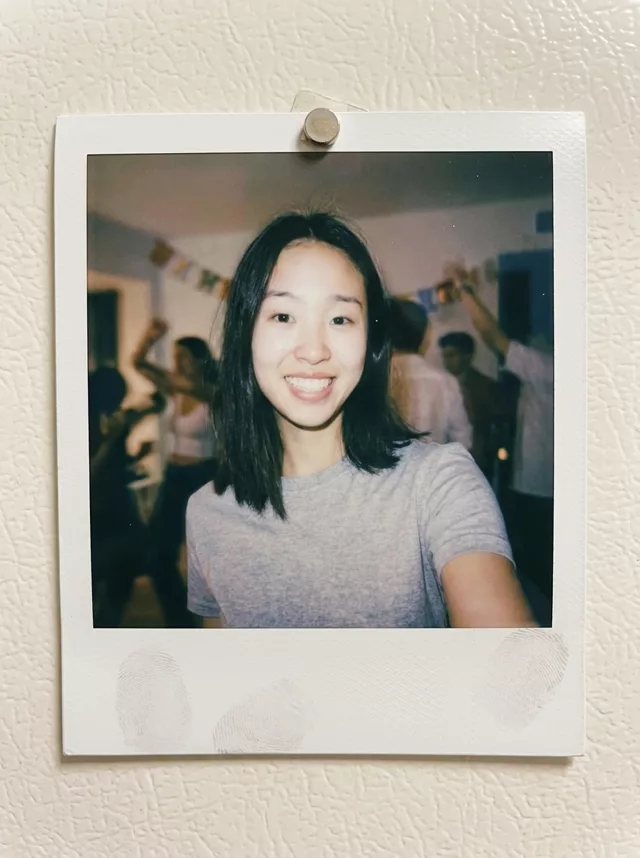 Polaroid
 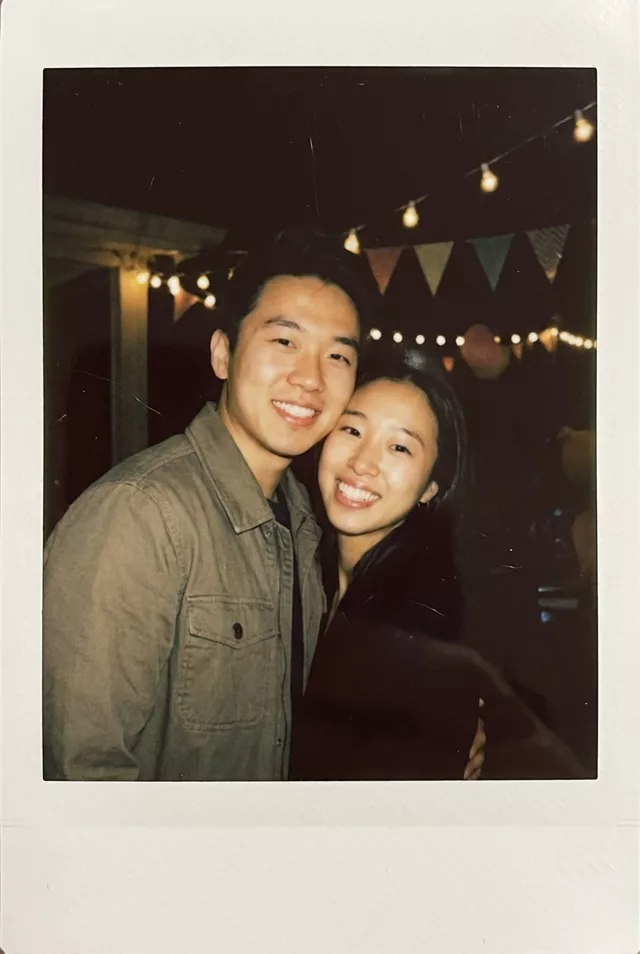 Polaroid
  Polaroid
  Polaroid